Utilities
Electric, water, sewer, septic, well, gas, communications, capacity, connection points, and extension cost.
Land + Build
A builder-led lot feasibility process for custom homes, acreage, infill, barndominiums, and estate projects in North Texas.
One Vision.
One Connected Team.
Before You Buy The Lot
A beautiful parcel is not automatically a practical building site. Before closing, review zoning or land-use rules, plat status, setbacks, easements, floodplain, access, driveway permits, utilities, septic suitability, water source, topography, drainage, trees, soils, HOA or deed restrictions, architectural review, and the likely home footprint.
Because My Choice Builders combines construction knowledge with real-estate experience, the review can connect the purchase decision to buildability. Listing information is a starting point, not due diligence. Any property search or brokerage activity remains subject to applicable representation agreements, broker supervision, MLS rules, and disclosures.
The Feasibility Checklist
Electric, water, sewer, septic, well, gas, communications, capacity, connection points, and extension cost.
Survey, easements, setbacks, access, plat, restrictions, HOA review, zoning, and jurisdiction.
Soils, slope, drainage, floodplain, trees, retaining conditions, pad location, and finished-floor elevation.
Driveway, staging, delivery access, equipment movement, neighbor impacts, and temporary services.
County-Level Search Strategy
Hood County buyers often compare Granbury-area city lots, lake-oriented communities, acreage, septic properties, and deed-restricted subdivisions. Parker County offers acreage and estate opportunities with varied utility and access conditions. Johnson County includes fast-growing corridors, rural parcels, and build-on-your-lot options where city, ETJ, and county requirements can differ.
The goal is not to approve a property from a listing. It is to identify what must be verified before the option period or closing deadline expires and estimate how site conditions may affect the construction budget.
Practical FAQs
Real-estate assistance may be available subject to representation, broker supervision, listing-display rules, and the location and type of property.
No. It identifies due-diligence questions. Surveyors, engineers, soil professionals, utilities, jurisdictions, title companies, and other specialists provide authoritative determinations.
The listing or parcel ID, survey if available, intended home size, budget range, target timing, and any known restrictions or utilities.
Yes. Utility extensions, access, drainage, retaining, clearing, unsuitable fill, floodplain, septic, wells, and foundation requirements can exceed the apparent land savings.
Before the option or feasibility period expires, with enough time to request documents and contact the relevant authorities.
This website focuses on construction and lot feasibility rather than a live MLS search. Send a listing link or parcel identifier with your intended build so we can discuss the property and the due-diligence questions to resolve before purchase.
Licensed · Bonded · $5M Insured
Bring plans, a property address, or simply an idea. We’ll help you understand the next step.
Professional protection for residential and commercial work. No finished plans required.A More Useful Starting Point
A land decision based on buildable area, access, utilities, wastewater, soils, flood, drainage, restrictions and total development cost.
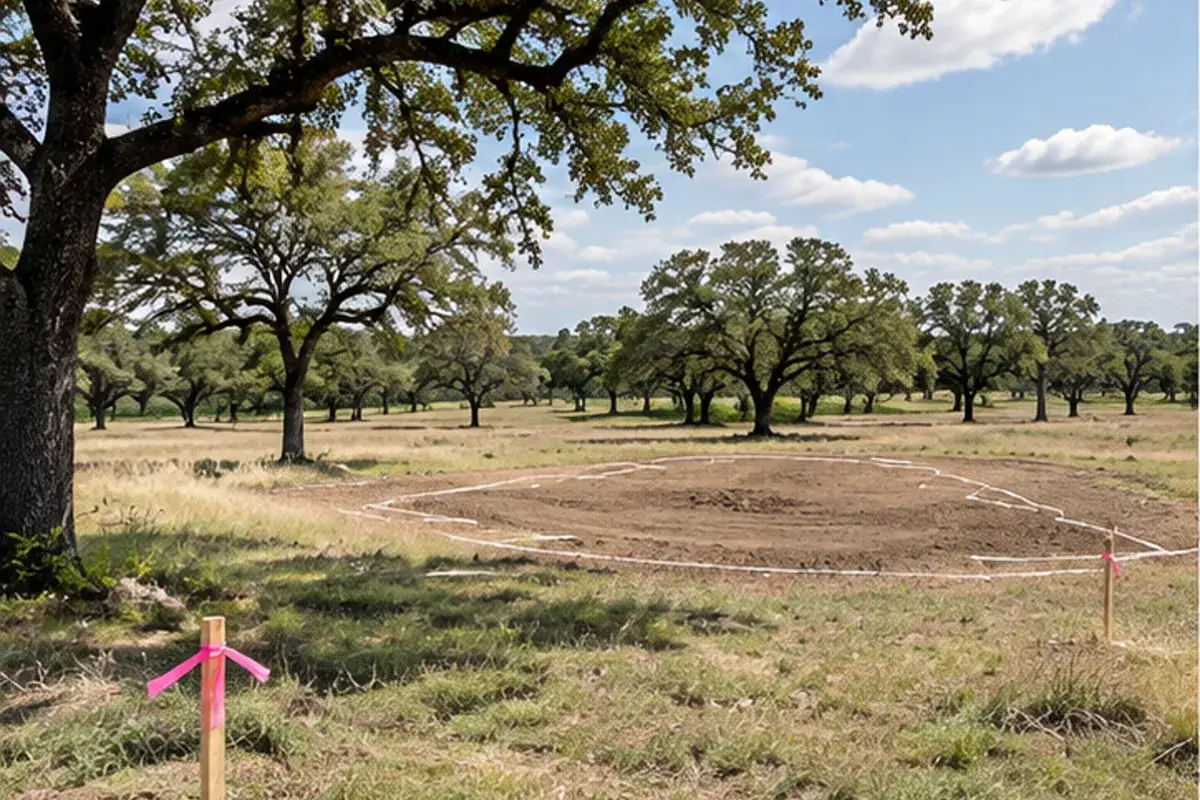
Property & Existing Conditions
Define the parcel and legal access before relying on listing acreage. A current survey, title/easement review and jurisdiction check reveal what portion can actually support the intended buildings.
Design Development
Place the home, drive, septic/well, utilities, drainage, trees and future structures on one feasibility concept.
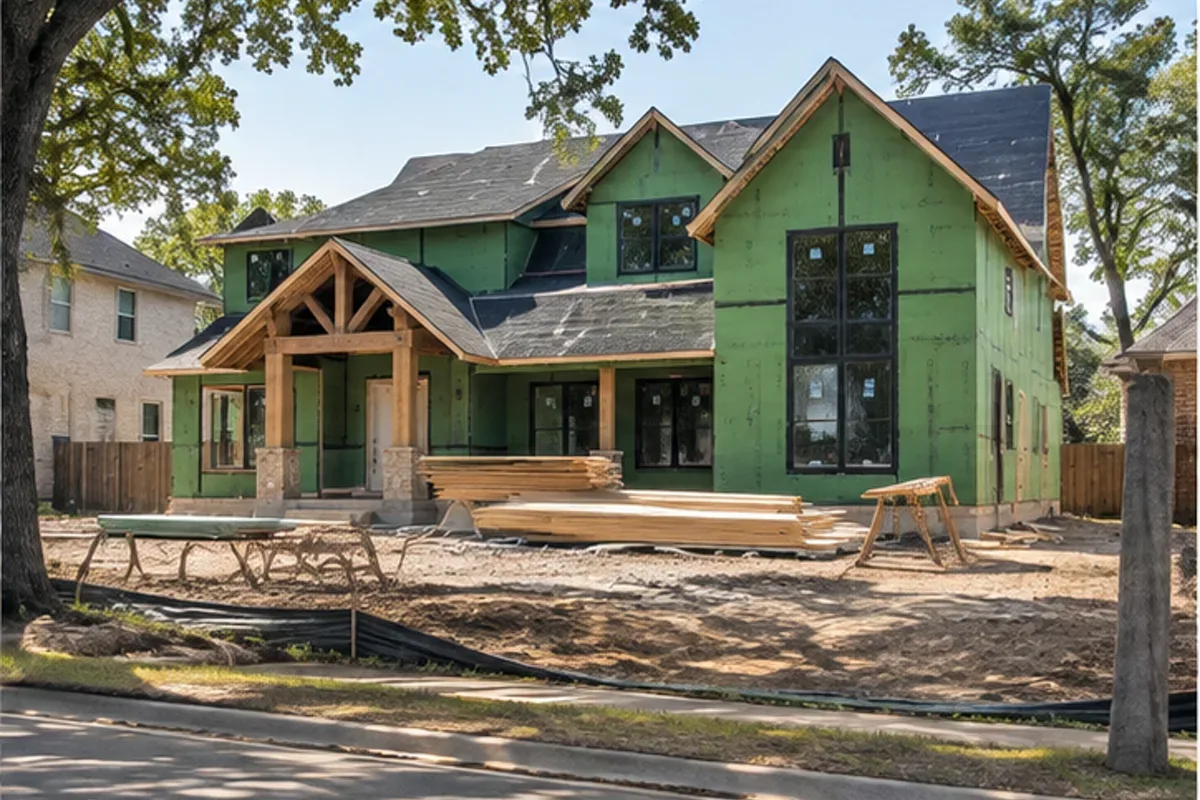
Technical Coordination
Use soil information as screening, then obtain project-specific geotechnical and engineering input. Coordinate driveway authority, septic suitability, flood information and utility extension.
Budget Structure
Budget purchase plus due diligence, clearing, access, earthwork, utilities, wastewater, foundation, building and exterior work.
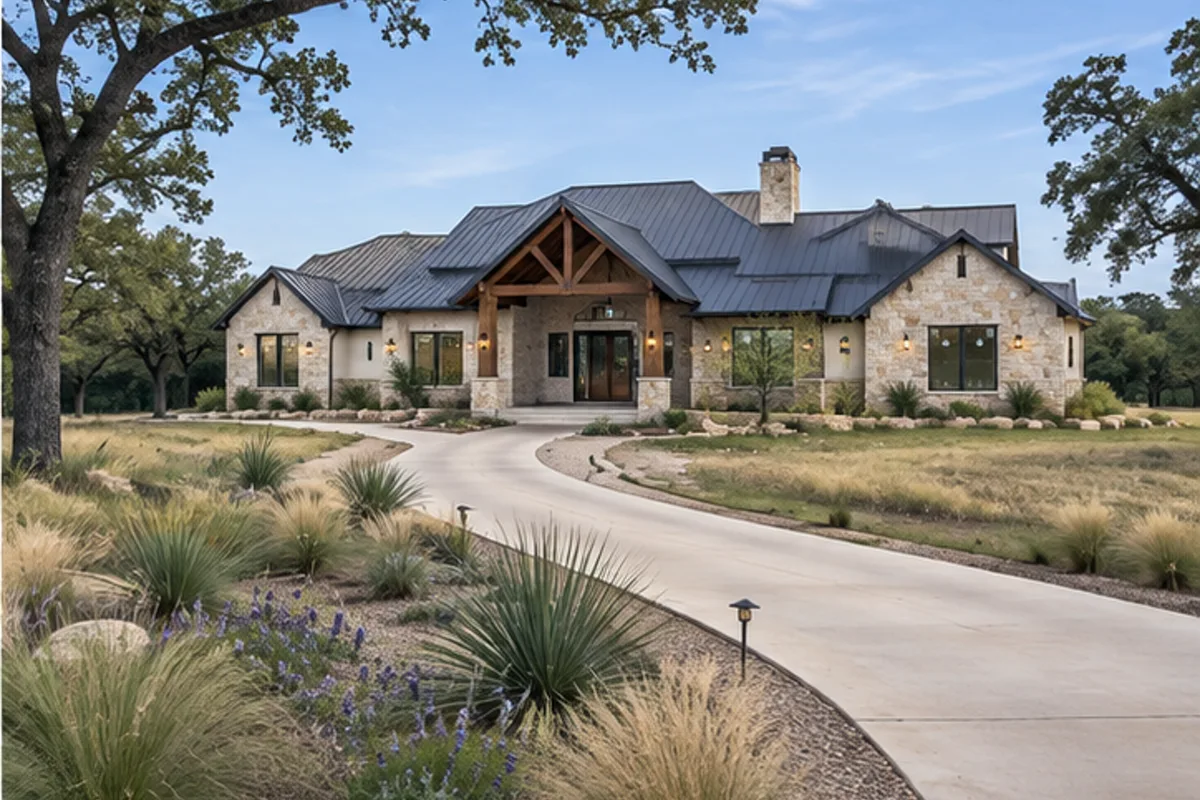
Schedule Logic
Make land-contract deadlines long enough for survey, records, utility responses and specialist visits.
Quality Control
Retain source documents, photographs, utility correspondence and assumptions; unresolved items become written contingencies.
Owner Information
Bring listing/parcel, survey if available, restrictions, seller information, utility claims, desired buildings and acquisition deadline.
Decision Checklist
Verify legal and constructible approach.
Obtain provider responses, not assumptions.
Preserve suitable area and replacement area.
Understand flood and on-site drainage.
Authoritative Planning Links
Requirements, fees and adopted codes can change. These first-party resources are the right starting point; the project team should confirm the current rule for the exact address and scope.