
Condition Record
Dates, photographs, affected rooms, emergency actions and available specialist reports.
Property Recovery
North Texas storms can damage more than shingles. A coordinated inspection follows roof planes, flashings, vents, gutters, windows, cladding and fences, then traces any water entry into insulation and interiors.
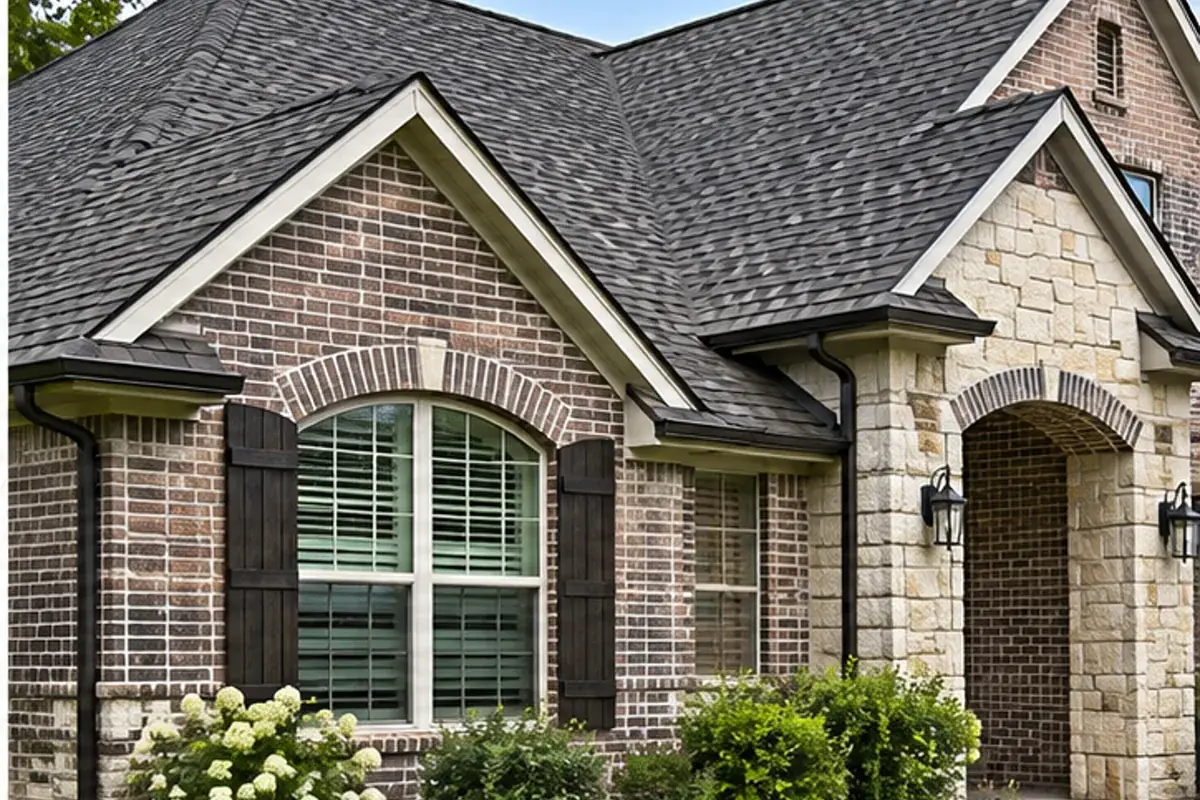
Damage Pattern
Emergency dry-in should preserve evidence while limiting additional damage. Permanent work may combine Class 4 roofing options, decking or flashing repair, gutters, exterior finish, window work, drywall, paint and site cleanup.
Reconstruction Sequence
Material matching, manufacturer requirements, code items and the sequence between roof, envelope and interior trades should be documented before work is released.
Documentation Package
Dates, photographs, affected rooms, emergency actions and available specialist reports.
Quantities, material descriptions, access, detach and reset, protection and disposal.
Engineering, drying or remediation records, product requirements and permit comments.
Hidden conditions, revised quantities, owner selections and schedule effects documented before work proceeds.
From Damage To A Buildable Scope
The insurance carrier interprets the policy. The contractor documents construction conditions, quantities, methods and cost.
After the site is safe, emergency work and required investigation are complete, and the parties understand the authorized scope and payment responsibilities.
They are photographed, measured and documented with the resulting scope, price and schedule change before affected reconstruction continues.
Yes, when the owner approves the added scope and cost and the contract distinguishes it from restoration work.
Licensed · Bonded · $5M Insured
Bring plans, a property address, or simply an idea. We’ll help you understand the next step.
Professional protection for residential and commercial work. No finished plans required.Technical Execution Guide
North Texas wind and hail can affect roof, openings, cladding, drainage and interiors in one event.
Dry-in openings and roof conditions without concealing evidence or trapping water.
Inspect roof planes, flashings, vents, gutters, windows, doors, cladding, fences and site drainage.
Follow moisture into decking, insulation, ceilings, walls, flooring and electrical conditions.
Coordinate roof, envelope, structural, MEP and finish work in water-shedding order.
Confirm drainage, weather seals, interior moisture and documented completion by assembly.
Detailed Field Guide
Storm work should trace wind, hail and water from roof and exterior through concealed insulation, structure, electrical and interiors.
Start With Existing Conditions
Document roof planes, flashings, penetrations, gutters, windows, cladding, fences, trees, drainage and interior moisture while preserving evidence.
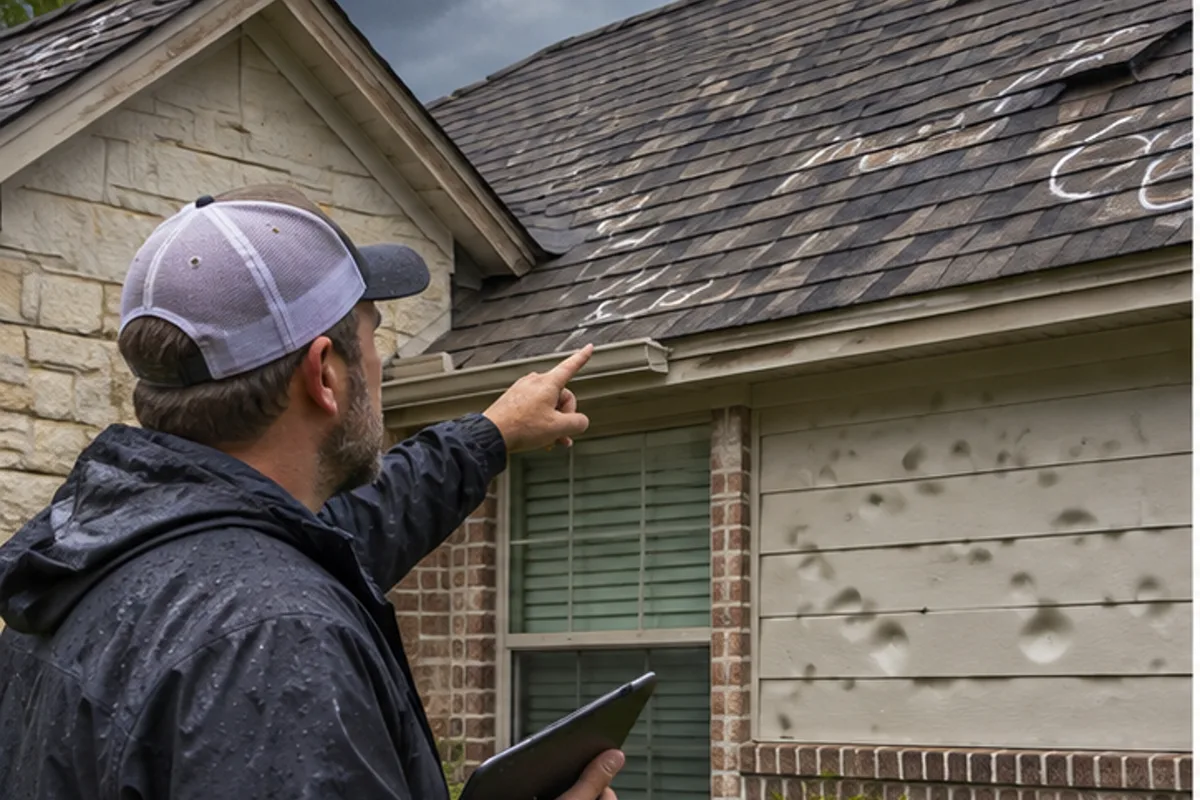
Define The Complete Assembly
Define emergency dry-in, roof/envelope, deck/sheathing, flashings, openings, insulation, drywall, paint, flooring and site restoration.
Coordinate The Adjacent Trades
Coordinate roofer, exterior trades, drying, electrician, HVAC, arborist, design/engineering and owner/carrier scope.
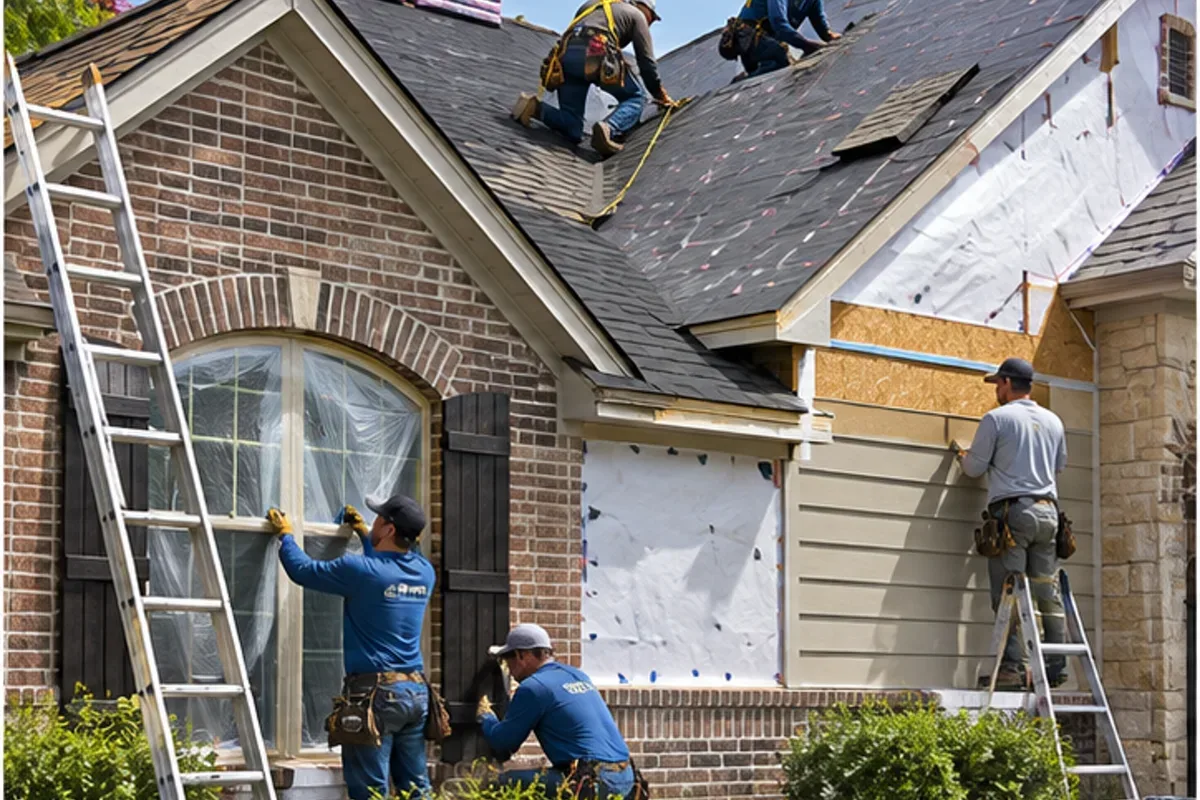
Sequence The Work
Protect exposed openings and roofing while documenting damage. Trace and dry affected interior assemblies before permanent close-up, then repair substrate and integrate roof, flashing and exterior work in water-shedding order. Verify the enclosure repairs before replacing interior finishes and complete drainage and debris removal before handover.
Quality-Control Hold Points
Inspect temporary protection, deck/sheathing, each flashing layer, opening integration, interior dryness and final drainage/weather seals.
Cost Drivers And Allowances
Drivers include multiple exterior trades, hidden water, material matching, access, debris/tree work and code/product upgrades.
Schedule And Procurement
Weather and emergency stabilization come first; material matching, engineering and coordinated exterior sequencing determine permanent duration.