Warehouse And Industrial Roofs
Large-format TPO, PVC, EPDM, metal, and restoration scopes coordinated around operations and rooftop equipment.
Commercial Roofing
Compare commercial roof recovery and replacement options with Texas pricing, system manufacturers, hail and heat considerations, occupied-building logistics, and warranty requirements.
Recover Or Tear-Off
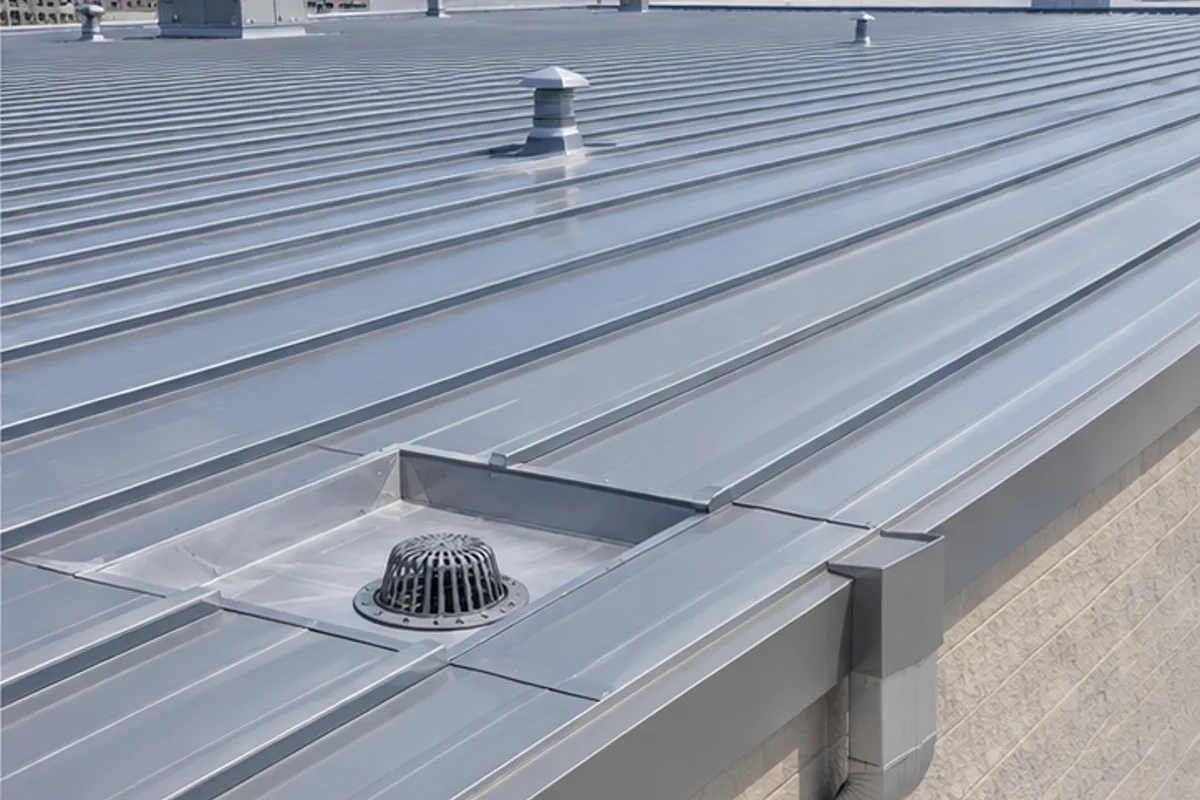
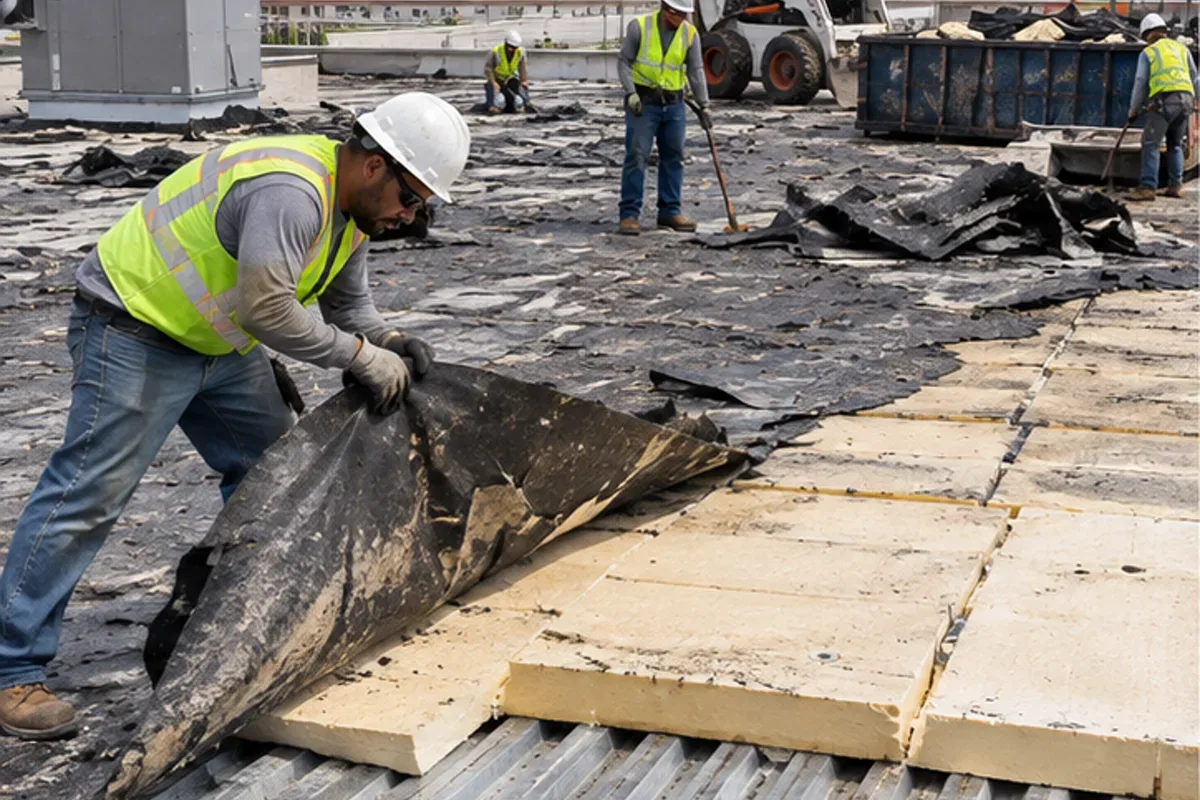
A commercial roof evaluation should document membrane condition, number of existing layers, moisture, insulation, deck type and condition, drainage, penetrations, flashings, edge metal, rooftop equipment, access, and code requirements. A recover may be feasible when the existing assembly is dry, securely attached, compatible, and within code limits. Trapped moisture, saturated insulation, damaged decking, incompatible materials, poor drainage, or excessive layers can make tear-off the responsible option.
Core cuts, infrared or other moisture investigation, pull tests, wind-uplift requirements, drainage calculations, and manufacturer details may be required. The estimate should distinguish membrane-only pricing from a complete installed assembly that includes tear-off or preparation, insulation, cover board, flashings, edge metal, curbs, disposal, permits, safety, and warranty inspections.
North Texas Roof Exposure
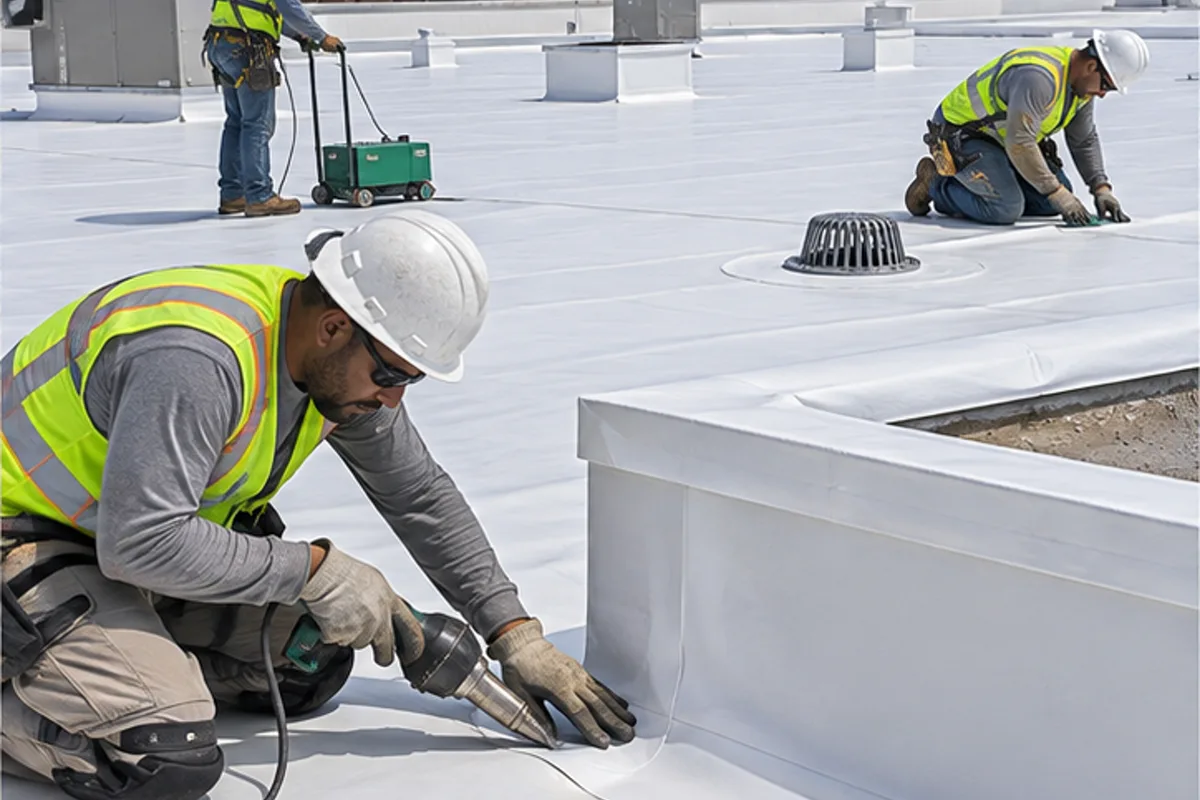
DFW commercial roofs face intense ultraviolet exposure, high surface temperatures, hail, wind events, and heavy rain. White reflective TPO and PVC are common low-slope choices, but membrane type is only one decision. Thickness, reinforcement, attachment, insulation, cover board, fastening density, perimeter and corner design, edge metal, drainage, and details at penetrations determine how the system performs.
PVC may be considered where grease or chemical exposure makes it appropriate. EPDM has a long performance history and can fit particular assemblies. Standing-seam metal can suit steeper slopes and architectural applications. Modified-bitumen and built-up systems remain useful where redundancy, traffic patterns, or existing conditions favor them. The roof should be designed as a system rather than a collection of unrelated products.
Manufacturers And Written Coverage
Leading commercial roofing manufacturers commonly evaluated include Carlisle SynTec, GAF, Elevate, Johns Manville, and Sika Sarnafil. Available systems include TPO, PVC, EPDM, modified bitumen, built-up roofing, insulation, cover boards, adhesives, fasteners, and accessories. Carlisle publishes TPO options up to 80 mil and warranty terms that may extend to 30 years for qualifying systems; GAF publishes multiple guarantee levels with different contractor, system, inspection, and coverage requirements.
A manufacturer name does not automatically create a no-dollar-limit warranty. Eligibility can depend on an approved assembly, certified installer, deck and attachment requirements, preconstruction review, inspections, repairs, maintenance, and fees. The proposal should identify membrane type and thickness, insulation values, cover board, attachment method, flashing scope, drainage work, warranty level requested, and items excluded.
Occupied-Building Logistics
Roofing over an occupied building requires a plan for access, noise, odors, dust, falling-object protection, weather exposure, material staging, parking, deliveries, interior monitoring, rooftop equipment, and daily dry-in. Sensitive operations may require after-hours sequencing, low-odor products, temporary protection, or smaller work zones. The building owner should identify critical rooms, inventory, tenants, shutdown restrictions, and emergency contacts before mobilization.
Large roofs also need realistic daily production assumptions and contingency planning. Bonding, certificates of insurance, safety documentation, submittals, manufacturer coordination, progress reporting, and closeout can be defined before award. My Choice Builders advertises licensed operations, general bonding capability, and $5 million in general-liability and combined coverage; project-specific bond availability and insurance requirements remain subject to underwriting, contract terms, and certificates.
Displayed ranges are illustrative planning allowances, not verified DFW averages or a quotation. Census publishes price indexes and NAHB studies national homebuilding costs; neither source establishes local prices for this service. Confirm quantities, site conditions, systems, finishes, exclusions and contingency through a written scope.
2026 DFW Planning Ranges
Preparation and a compatible new assembly over an eligible existing roof; testing and code conditions apply.
Removal to deck, disposal, insulation and system replacement; deck repairs and specialty conditions can add cost.
Reflective single-ply system; total replacement scope can be higher after tear-off, insulation, and details.
Often considered for grease or chemical exposure; assembly and manufacturer requirements control.
Profile, gauge, coating, geometry, clips, insulation, curbs, tear-off, and access move the number.
Published ranges vary in what they include. Our planning bands distinguish system-level figures from complete tear-off or recover scopes. Final cost requires roof measurements, investigation, assembly design, access review, and a written scope.
Projects We Are Equipped To Deliver
Large-format TPO, PVC, EPDM, metal, and restoration scopes coordinated around operations and rooftop equipment.
Phased work, tenant communication, storefront and parking protection, drainage, and daily dry-in planning.
Low-odor or carefully sequenced work around sensitive occupants, equipment, and continuous operations.
Condition assessment, moisture investigation, recover feasibility, tear-off planning, warranty options, and closeout documentation.
Trade-Specific FAQs
Possibly, if the existing assembly is dry, compatible, securely attached, structurally suitable, and within code limits. Investigation and manufacturer requirements determine feasibility.
Common reasons include multiple existing layers, trapped moisture, saturated insulation, damaged deck, incompatible materials, poor attachment, code requirements, or a scope that needs full access to the substrate.
Usually, with coordinated access, staging, daily dry-in, interior monitoring, safety controls, and a plan for noise, odor, dust, and sensitive operations.
There is no universal winner. Exposure, use, chemicals or grease, deck, insulation, traffic, drainage, budget, attachment, and warranty goals drive the selection.
Common specifications include 45, 60, and 80 mil depending on manufacturer and system. Service life is also influenced by reinforcement, formulation, cover board, attachment, details, exposure, and maintenance.
Terms vary by manufacturer, assembly, contractor authorization, inspection, and fee. Qualifying systems may offer material-only, system, labor-and-material, or no-dollar-limit options.
General bonding capability is available, but each payment, performance, or bid bond is project-specific and subject to the surety’s underwriting, contract, capacity, and premium.
System manufacturer, membrane and thickness, insulation, cover board, attachment, flashings, penetrations, edge metal, drainage, tear-off, deck allowance, safety, disposal, warranty, exclusions, schedule, and payment terms.
Licensed · Bonded · $5M Insured
Bring plans, a property address, or simply an idea. We’ll help you understand the next step.
Professional protection for residential and commercial work. No finished plans required.Technical Execution Guide
Commercial roofing requires investigation, moisture strategy, drainage, phasing and warranty compliance.
Document membrane, insulation, deck, core conditions, drainage, penetrations and leak history.
Compare repair, coating, recover and tear-off based on moisture, code, attachment, height and warranty.
Plan crane/hoist, staging, odor, noise, interior protection, weather windows and tenant communication.
Control tear-off limits, dry-in, insulation, attachment, flashing, curbs, drains and daily tie-ins.
Perform manufacturer inspection where applicable, drainage review, punch and warranty documentation.
Detailed Field Guide
Commercial roofing decisions require core/condition information, moisture strategy, drainage, attachment and manufacturer requirements.
Start With Existing Conditions
Map leaks, membrane, repairs, cores, insulation, deck, drainage, penetrations, curbs, parapets, equipment and interior sensitivity. Determine whether wet materials or code limits prevent recover.
Define The Complete Assembly
Define tear-off/recover, vapor/air control, insulation and cover board, attachment, TPO/PVC/modified bitumen/metal, flashings, drains, walk pads and warranty inspection.
Coordinate The Adjacent Trades
Coordinate rooftop equipment, curbs, electrical, plumbing, fire alarm, solar, tenant operations, crane, access and interior protection.
Sequence The Work
Establish occupied-building protection and daily weather limits before opening the roof. Remove only the planned area, repair the verified substrate and install the specified layers with watertight daily tie-ins. Inspect seams, flashings and drainage before final cleanup, then complete applicable manufacturer review and closeout documentation.
Quality-Control Hold Points
Use adhesion/pull tests where specified, inspect deck and each layer, calibrate welds, probe seams, check flashings/drainage and complete manufacturer inspection for eligible systems.
Cost Drivers And Allowances
Drivers include roof area, wet removal, deck repair, insulation, height/access, penetrations, occupied logistics, attachment and warranty level.
Schedule And Procurement
Weather windows, tear-off limits, material staging, crane and manufacturer inspection control duration. Maintain daily watertight tie-ins.