Property File
Current survey, parcel information, title exceptions, restrictions and any prior plans.
Irving Construction
Irving projects range from mature residential neighborhoods to Las Colinas offices and commercial corridors. Existing conditions, airport-related constraints where applicable, utilities and the intended occupancy should be understood before pricing.
One Vision.
One Connected Team.
Local Construction Lens
Residential additions need a careful tie-in strategy for foundation, roof, drainage and mechanical systems. Replacement homes benefit from early surveys, tree review and a demolition plan that protects adjacent property.
Office, clinic and retail conversions should begin with the lease, landlord criteria, available MEP capacity, accessibility and fire review—not finish selections.
Useful First Documents
Current survey, parcel information, title exceptions, restrictions and any prior plans.
Photos, utility information, drainage or flood documents and known soil or access issues.
Intended use, approximate size, room or equipment list, finish level and operating needs.
Budget range, financing or lease milestones, target date and the approvals already identified.
Start With The Property
The parcel location, city limits, ETJ status, use and trade scope determine which authorities and utilities are involved.
Yes. A construction-feasibility review organizes the site, utility, access, restriction and budget questions that should shape design.
A survey, intended use, approximate area, existing-condition information, finish level and known site requirements make the range more meaningful.
Both begin with property, use, scope, approvals and budget, but commercial work adds occupancy, fire, accessibility, operations and lease responsibilities.
Licensed · Bonded · $5M Insured
Bring plans, a property address, or simply an idea. We’ll help you understand the next step.
Professional protection for residential and commercial work. No finished plans required.A More Useful Starting Point
Irving construction should be planned around the city’s online permit process, use-specific departmental review and the site’s location within a mature, heavily developed utility network.
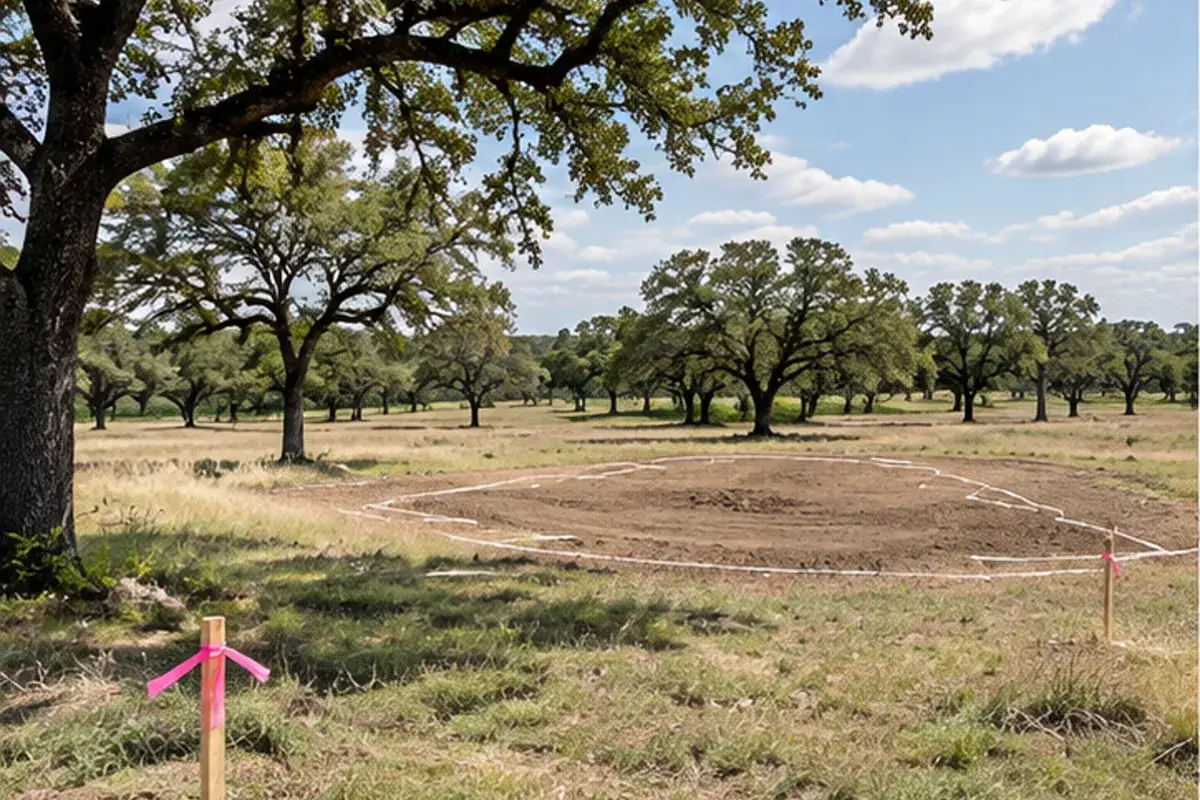
Property & Existing Conditions
Existing Irving properties often require careful verification of easements, setbacks, prior improvements and available service capacity. Commercial corridors may add fire, health, traffic, landscape, water-quality and change-of-use review depending on the tenant.
Design Development
For most residential and commercial permits, plans showing the proposed work are required. Commercial finish-outs should identify delivery condition, use, egress, accessibility, MEP, fire protection and landlord scope before lease assumptions become construction commitments.
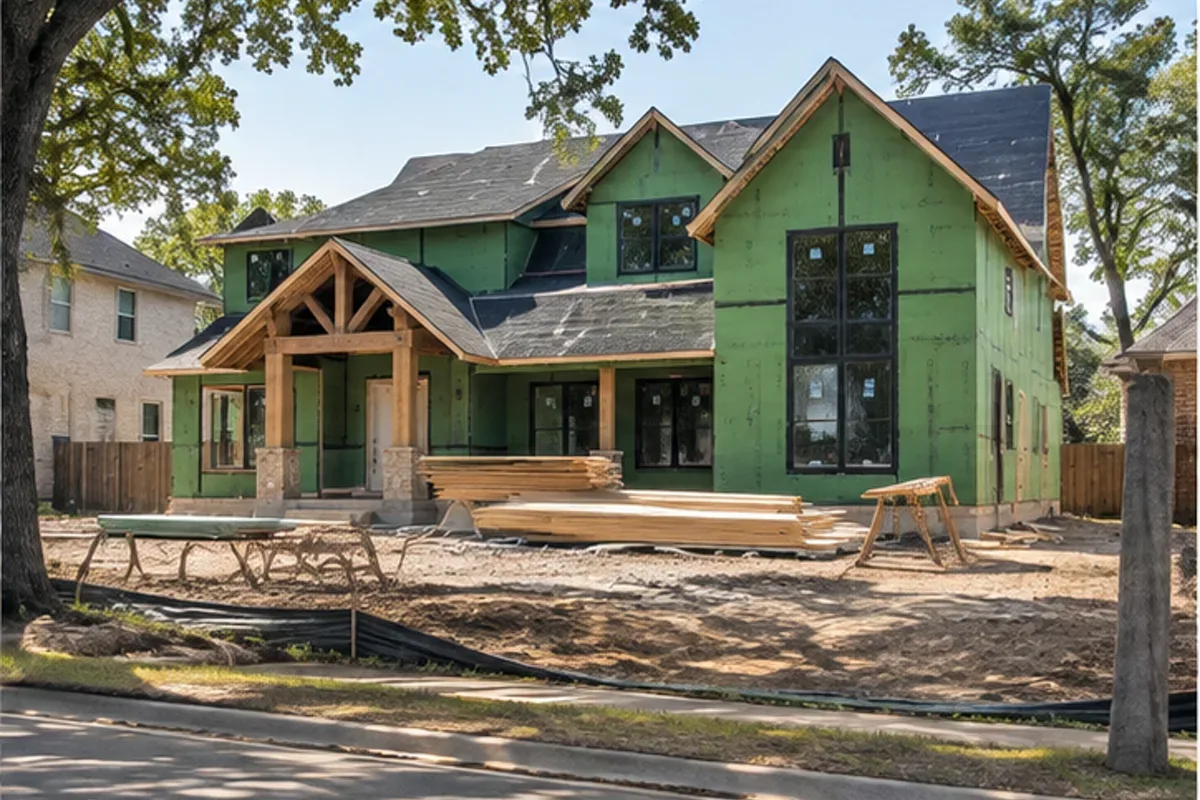
Technical Coordination
Coordinate special inspections where required, drainage/floodplain questions, fire review, health review for regulated uses and final certificate needs. The approved set and online comments should be reconciled before field release.
Budget Structure
Budget demolition, unknown existing conditions, utility upgrades, fire/life-safety work, accessibility, landlord requirements and business shutdowns separately from finishes.
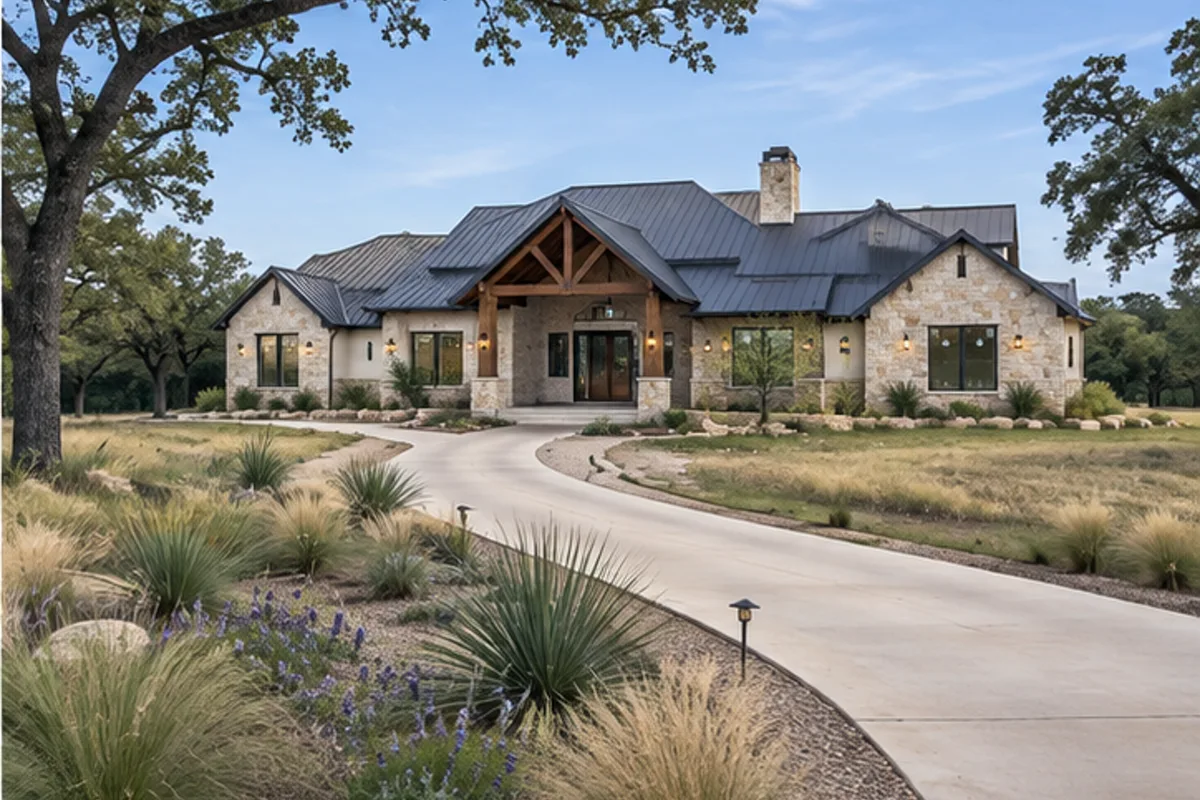
Schedule Logic
Irving publishes a six-business-day review target for commercial plans and revisions, but departmental comments and applicant response time affect the real calendar. Build permit corrections and long-lead procurement into the schedule.
Quality Control
Track inspections in the city portal, retain special-inspection reports where applicable and verify final approvals before occupancy.
Owner Information
Provide lease/work letter where applicable, property and suite information, survey, existing drawings, test fit, equipment loads, intended use, photos and opening target.
Decision Checklist
Check setbacks and utility easements.
Verify electrical, plumbing, HVAC and fire capacity.
Identify fire, health or planning departments involved.
Define inspection, special-inspection and occupancy deliverables.
Authoritative Planning Links
Requirements, fees and adopted codes can change. These first-party resources are the right starting point; the project team should confirm the current rule for the exact address and scope.