
Site Plan
Coordinate final grade, utilities, easements, sun, use and maintenance.
Landscape · Dallas–Fort Worth
Landscape and outdoor finishes that connect the building to the property around it.
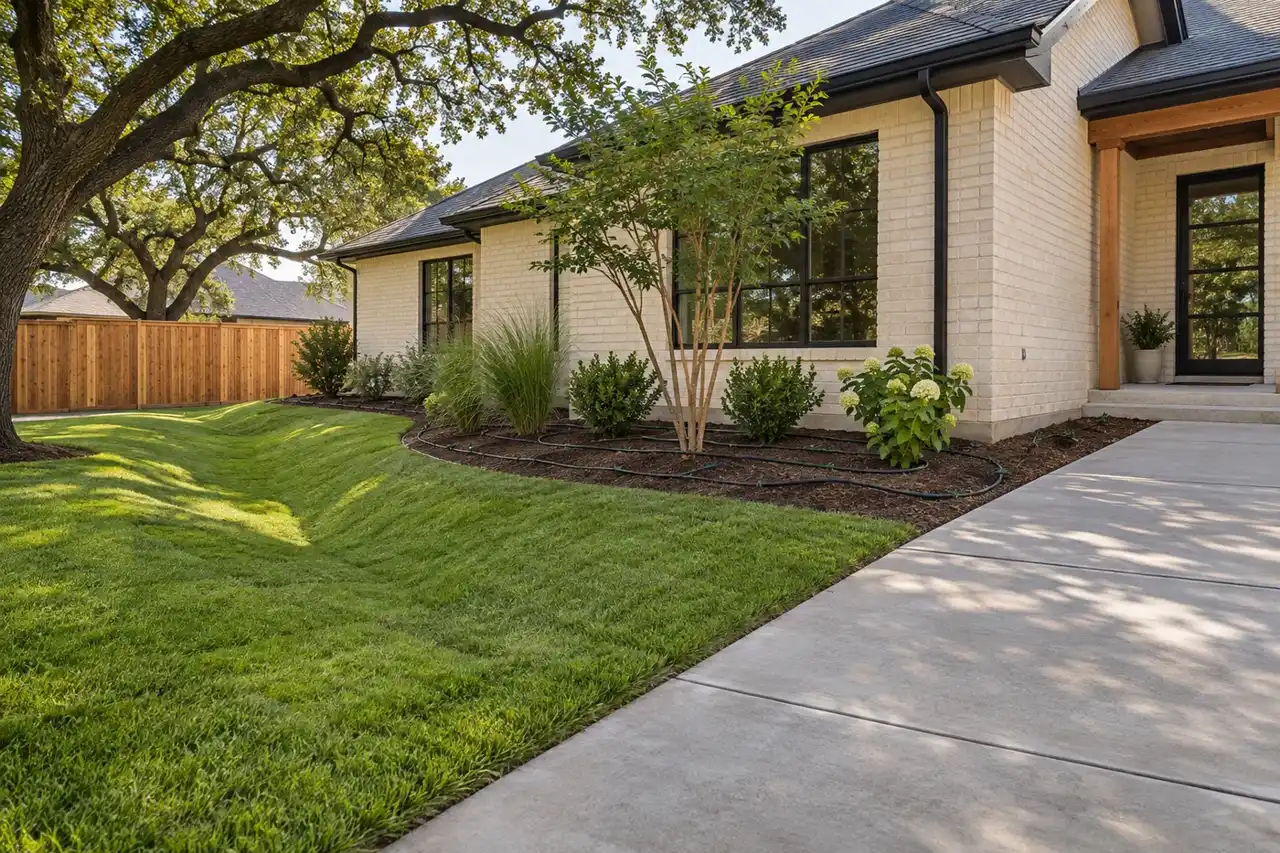
What We Can Help With
Define the work your property needs, whether it is part of a complete build or a focused improvement.
Landscape and outdoor finishes that connect the building to the property around it. Early coordination with related trades helps clarify sequencing, access, and finish requirements before work begins.
For a useful landscape discussion, share: A survey or site plan, outdoor priorities, irrigation needs, and your preferred level of maintenance.
Answers To Help You Plan
Yes, planting and sod should follow resolution of the site's drainage and final elevations. Review downspouts, swales, walks and the relationship to the foundation before covering the ground. Landscaping should reinforce the drainage plan rather than hide low spots that later collect water against the building.
Review sun exposure, soil condition, drainage, available water and the owner's maintenance expectations together. Specify plant sizes and quantities rather than relying on a general landscape allowance. Check mature placement against buildings, walks and utilities so the initial appearance does not create future access or maintenance conflicts.
Plan sleeves before paving and coordinate irrigation routes with utilities, fences, future structures and hardscape. Group watering needs with the planting design and confirm the water source and controller location. This reduces later cutting and helps keep spray or persistent moisture away from unsuitable building interfaces.
Identify trees and root areas before establishing equipment access, material storage and grading routes. Coordinate protection with utility trenches and hardscape installation. Do not assume final landscaping can reverse construction damage; keep agreed limits visible and review changes before heavy work enters protected areas.
Run the irrigation system and review coverage, leaks, controller operation and discharge onto paths or buildings. Check final grades, plant condition and depth, mulch placement and sod contact. Observe drainage where possible and record corrections before treating the installation as complete.
The written scope should identify watering, monitoring, controller adjustment and ongoing care after installation. Define the establishment period and any replacement terms rather than assuming installation includes indefinite maintenance. Seasonal conditions and applicable watering restrictions should be considered when agreeing the care plan.
Licensed · Bonded · $5M Insured
Bring plans, a property address, or simply an idea. We’ll help you understand the next step.
Professional protection for residential and commercial work. No finished plans required.North Texas Field Note
Final grades, irrigation, shade, hardscape and plant placement should support the building rather than conceal drainage problems.
Technical Execution Guide
Landscape, irrigation and hardscape must support the building.
Coordinate final grade, utilities, easements, sun, use and maintenance.
Prepare soil, preserve positive fall and route roof/irrigation water safely.
Zone by exposure and plant needs; locate heads away from structures and paving.
Sequence hardscape, trees, planting, mulch and sod without compacting root zones.
Set watering, adjustment and seasonal maintenance expectations.
Detailed Field Guide
Landscape should reinforce drainage, access and building use rather than conceal unresolved site problems. North Texas heat, clay soil and water constraints require plant and irrigation choices suited to exposure and maintenance.
Start With Existing Conditions
Verify final grades, soil condition, utilities, easements, drainage, irrigation source, sun, existing trees, access and maintenance expectations. Test soil or drainage where poor establishment is likely.
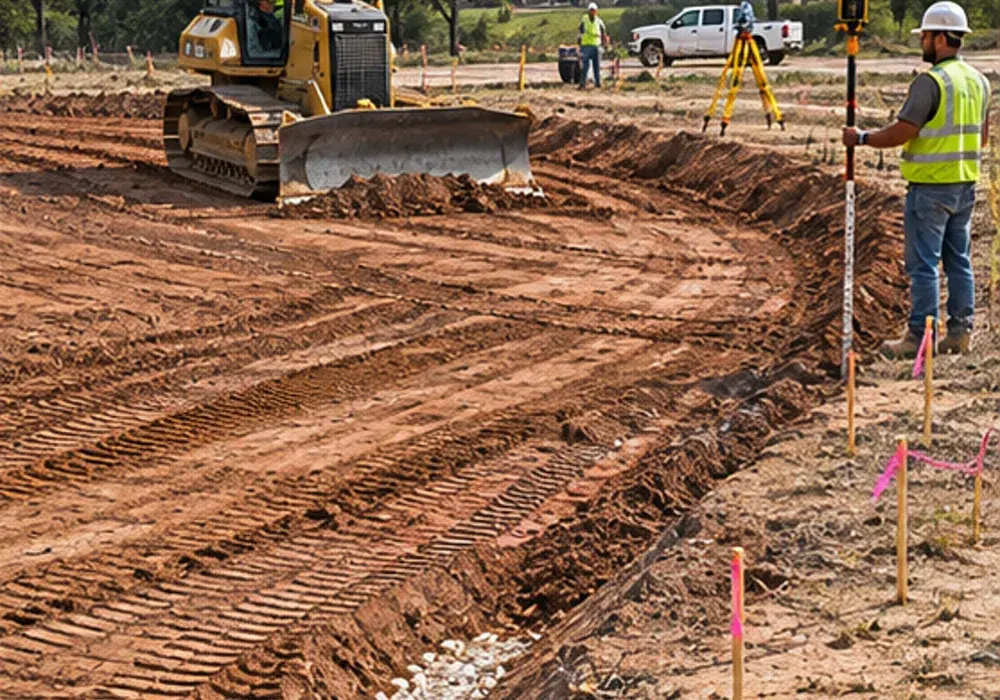
Define The Complete Assembly
Define soil amendment, fine grading, irrigation zones, sleeves, hardscape, edging, trees, planting, mulch, sod/seed and establishment care. Plant sizes and quantities should be scheduled rather than described generically.
Coordinate The Adjacent Trades
Coordinate downspouts, foundations, utility equipment, lighting, fences, pools, walks, accessibility, root zones and future structures. Keep irrigation and planting away from conditions that can trap water at the building.
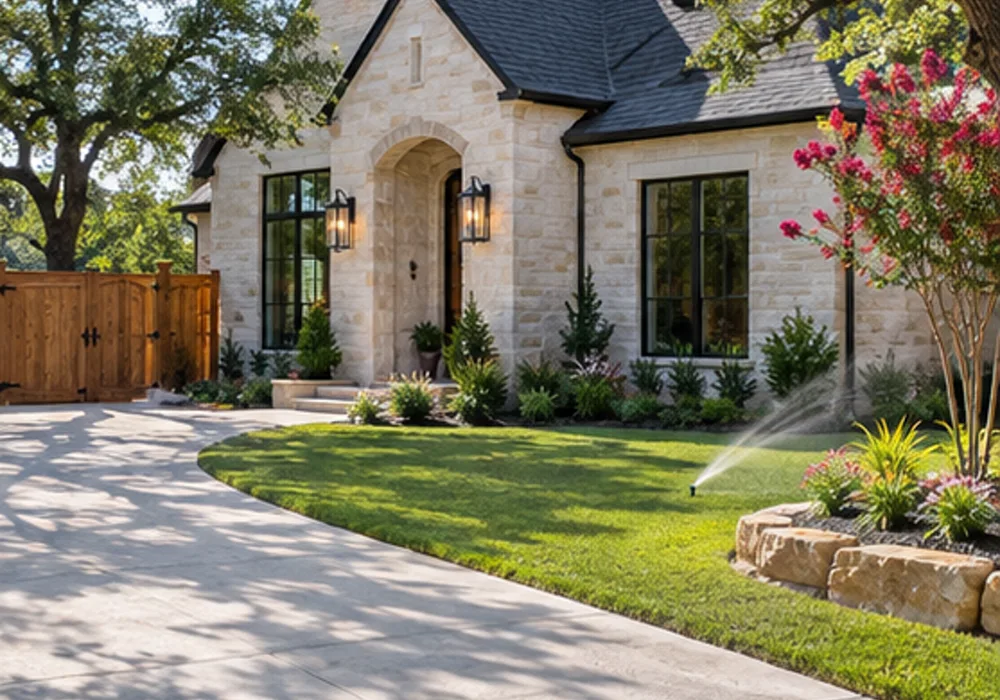
Sequence The Work
Complete disruptive utility and heavy-equipment work before final landscape installation. Verify drainage, fine grades and irrigation sleeves, then sequence hardscape, trees, irrigation, planting and sod to protect completed areas. Test coverage and drainage, correct deficiencies and hand over the agreed watering and establishment responsibilities.
Quality-Control Hold Points
Inspect grades, head coverage, controller, leaks, plant condition, depth, staking, mulch and sod contact. Run irrigation and observe drainage before final acceptance.
Cost Drivers And Allowances
Drivers include soil/grade correction, plant size, irrigation, hardscape, access, warranty/maintenance and seasonal availability. Allow replacement expectations to be defined in writing.
Schedule And Procurement
Final landscape follows heavy equipment and utility completion. Planting season, sod availability, watering restrictions and establishment period extend beyond installation day.