Assessment
Identify substrate, moisture, previous coating, damage and adhesion risks.
Paint · Dallas–Fort Worth
Interior and exterior coatings with preparation, protection, and finish quality in view.

What We Can Help With
Define the work your property needs, whether it is part of a complete build or a focused improvement.
Interior and exterior coatings with preparation, protection, and finish quality in view. Early coordination with related trades helps clarify sequencing, access, and finish requirements before work begins.
For a useful paint discussion, share: Interior or exterior scope, approximate area, surface condition, and preferred colors.
Answers To Help You Plan
Paint cannot correct an unsound substrate. Identify moisture, loose coating, contamination, cracks and failed sealant before choosing the coating system. The scope should distinguish cleaning, scraping, sanding, repairs and priming from finish coats so preparation is not silently reduced when the color is selected.
Match the coating system to the substrate, exposure, cleaning and wear rather than using one product everywhere. Review primer compatibility, existing coatings and application conditions. Confirm the intended sheen and finish on samples, especially where wood, metal, masonry and drywall meet within the same room or elevation.
Approve samples on representative surfaces under the lighting the space will actually use, before full production. Record the product, color and sheen for each location. Review adjacent cabinetry, tile and flooring at the same time, because isolated color chips do not show the completed room's relationships.
The work plan must address protection, ventilation, access, odors, drying and the sequence for returning areas to use. Agree which rooms remain available and how furnishings or equipment are protected. Coordinate product requirements and operating restrictions before crews arrive rather than improvising around occupants.
Substrate differences, incomplete preparation, application methods and lighting can make repairs stand out even with the same color. Review patches under normal lighting and confirm the original coating information. Define whether localized touch-up or repainting a continuous surface is appropriate before final acceptance.
Provide the product and color record by location, labeled touch-up material where included and the applicable cleaning or maintenance guidance. Explain any surfaces still completing their cure. Final inspection should review coverage, cut lines, drips, sheen consistency and damage caused by following trades.
Licensed · Bonded · $5M Insured
Bring plans, a property address, or simply an idea. We’ll help you understand the next step.
Professional protection for residential and commercial work. No finished plans required.North Texas Field Note
Moisture, substrate condition, repairs, primers, sheen and application conditions determine whether the final color lasts.
Technical Execution Guide
Durable paint is a system of repair, primer and compatible coatings.
Identify substrate, moisture, previous coating, damage and adhesion risks.
Clean, scrape, sand, patch, caulk and protect adjacent work.
Use substrate- and condition-specific primers for sealing and adhesion.
Apply approved color and sheen at required spread and drying rates.
Check coverage, cut lines, repairs and labeled touch-up material.
Detailed Field Guide
Coating performance is determined by substrate condition, moisture, preparation, primer and application conditions. Color and sheen selection are only the final visible decisions.
Start With Existing Conditions
Identify substrate, prior coating, adhesion, contamination, moisture, repairs, corrosion, chalking and environmental exposure. Test inconspicuous areas where compatibility or lead/asbestos obligations may exist.
Define The Complete Assembly
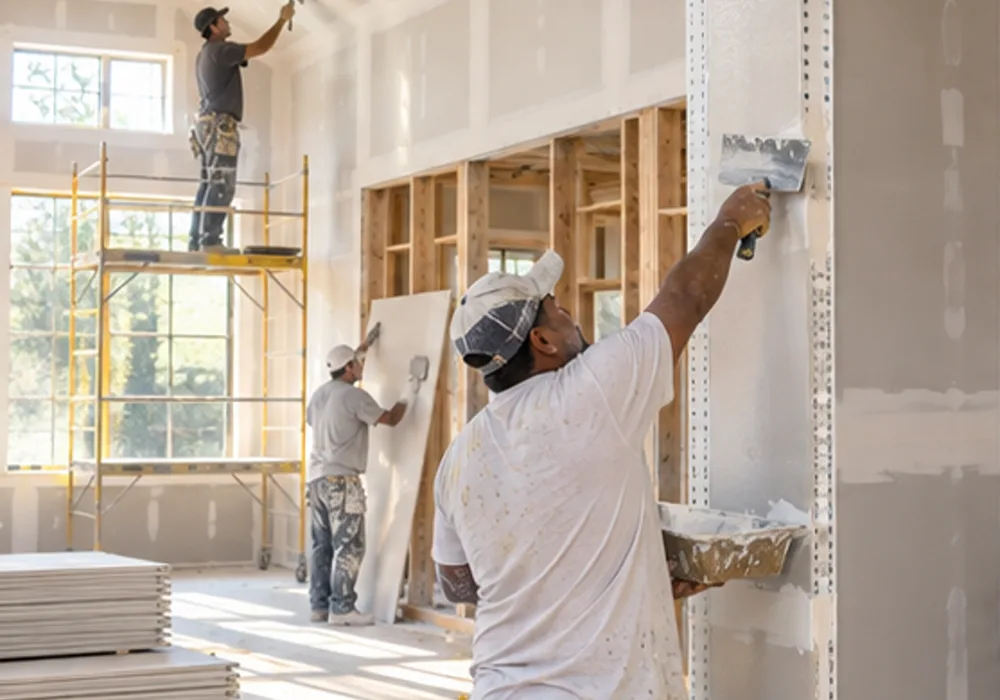
Define cleaning, scraping, sanding, patching, caulk, primer, intermediate and finish coats, dry-film expectations and product by substrate. High-use, wet, exterior and industrial areas need different systems.
Coordinate The Adjacent Trades
Coordinate drywall acceptance, carpentry, sealants, flooring, casework, sprinkler heads, devices, signage and occupied protection. Establish sample and color-approval process before production.
Sequence The Work
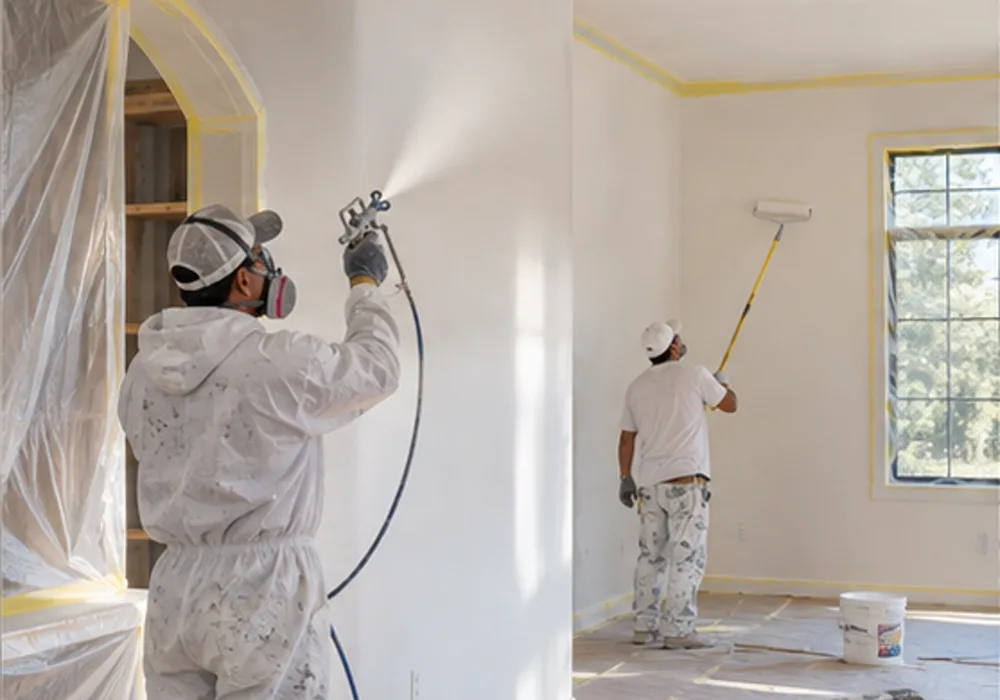
Resolve moisture and surface defects before cleaning, repairs and primer. Approve the product, color and sheen on representative samples, then apply the specified coats within the product's environmental and recoat limits. Inspect coverage and finish consistency, and schedule final touch-up after damaging trade work is complete.
Quality-Control Hold Points
Inspect preparation before primer, then coverage, adhesion, holidays, runs, cut lines, sheen uniformity and touch-up under normal light. Record product, batch/color and maintenance material.
Cost Drivers And Allowances
Cost changes with preparation hours, access, number of colors, masking, occupied phasing, specialty coatings and repairs. Square-foot rates without surface-condition assumptions are misleading.
Schedule And Procurement
Respect substrate moisture, cure time, temperature, ventilation and recoat windows. Final touch-up belongs after heavy trade work but before furniture and operations restrict access.