
Condition Record
Dates, photographs, affected rooms, emergency actions and available specialist reports.
Property Recovery
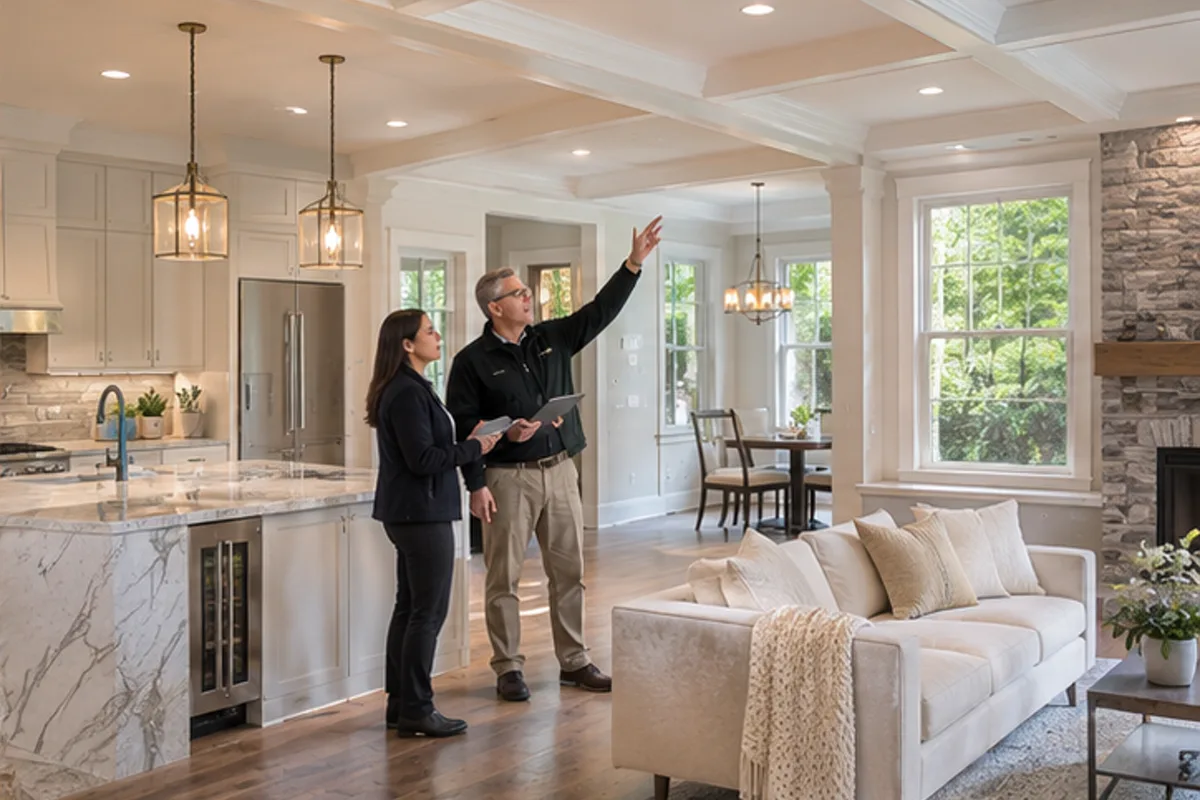
Fire work can involve structural damage, water from suppression, smoke migration, damaged MEP systems and odor embedded beyond the room of origin. Safety and stabilization come before finish estimating.
Damage Pattern
The scope may include engineering, selective or major demolition, soot and odor protocols, duct or system evaluation, framing, roofing or envelope work, complete interiors and code-triggered upgrades.
Reconstruction Sequence
A room-by-room finish list is not enough. The rebuild plan should track structural assemblies, concealed systems, cleaning boundaries, testing, permits and final commissioning.
Documentation Package
Dates, photographs, affected rooms, emergency actions and available specialist reports.
Quantities, material descriptions, access, detach and reset, protection and disposal.
Engineering, drying or remediation records, product requirements and permit comments.
Hidden conditions, revised quantities, owner selections and schedule effects documented before work proceeds.
From Damage To A Buildable Scope
The insurance carrier interprets the policy. The contractor documents construction conditions, quantities, methods and cost.
After the site is safe, emergency work and required investigation are complete, and the parties understand the authorized scope and payment responsibilities.
They are photographed, measured and documented with the resulting scope, price and schedule change before affected reconstruction continues.
Yes, when the owner approves the added scope and cost and the contract distinguishes it from restoration work.
Licensed · Bonded · $5M Insured
Bring plans, a property address, or simply an idea. We’ll help you understand the next step.
Professional protection for residential and commercial work. No finished plans required.Technical Execution Guide
Fire damage can involve structure, suppression water, smoke, corrosion and damaged building systems beyond the burn area.
Secure structure, utilities and weather exposure; establish engineering and investigation needs.
Define removal based on char, heat, contamination, water and access—not only visible color.
Coordinate soot removal, contents, cavities, ducts, encapsulation criteria and verification.
Repair structure, enclosure, MEP, insulation and interiors under permits and inspections.
Test life safety and building systems, complete finish punch and preserve loss/rebuild documentation.
Detailed Field Guide
Fire losses can combine structural damage, suppression water, soot, odor, corrosion and compromised systems beyond the room of origin.
Start With Existing Conditions
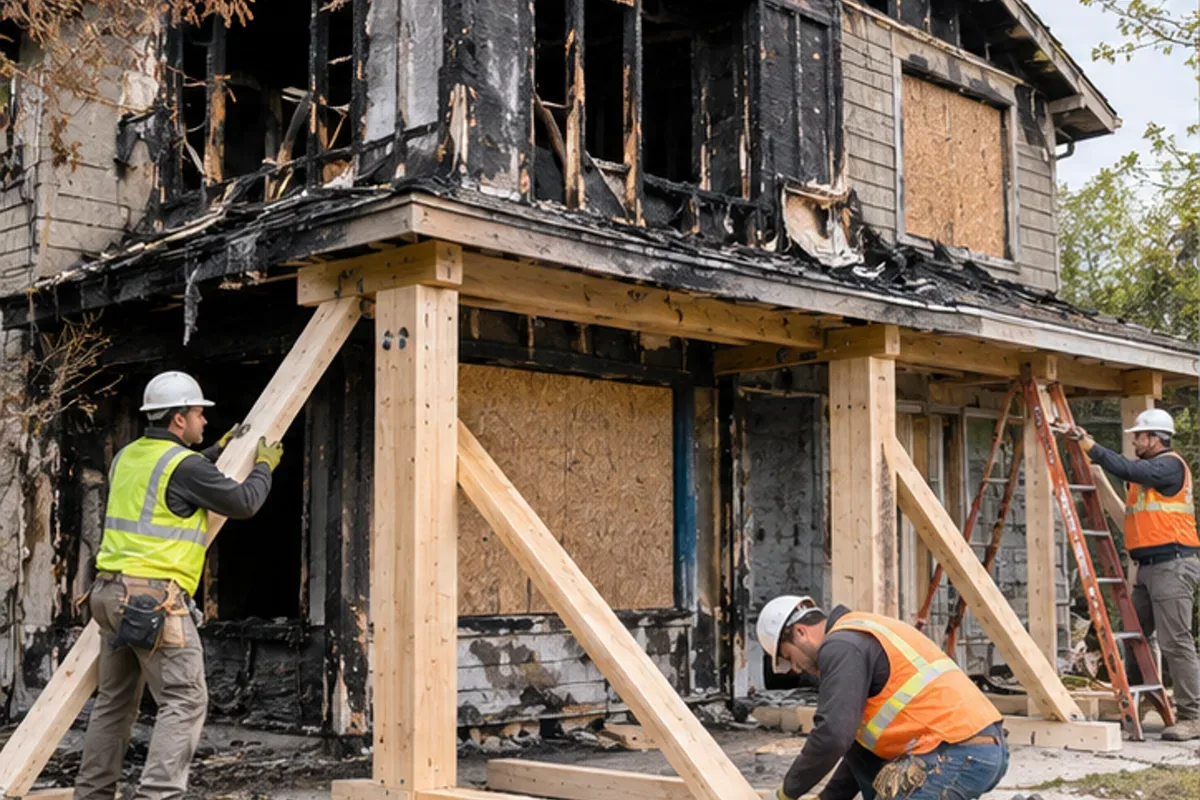
Establish structural and utility safety, weather exposure, char/heat extent, smoke migration, water damage, contents and hazardous-material needs.
Define The Complete Assembly
Define stabilization, selective demolition, cleaning/deodorization, structural repair, enclosure, MEP, insulation, interiors and code upgrades.
Coordinate The Adjacent Trades
Coordinate engineer, restoration specialists, electrician, HVAC, fire systems, design team, testing and carrier/owner responsibilities.
Sequence The Work
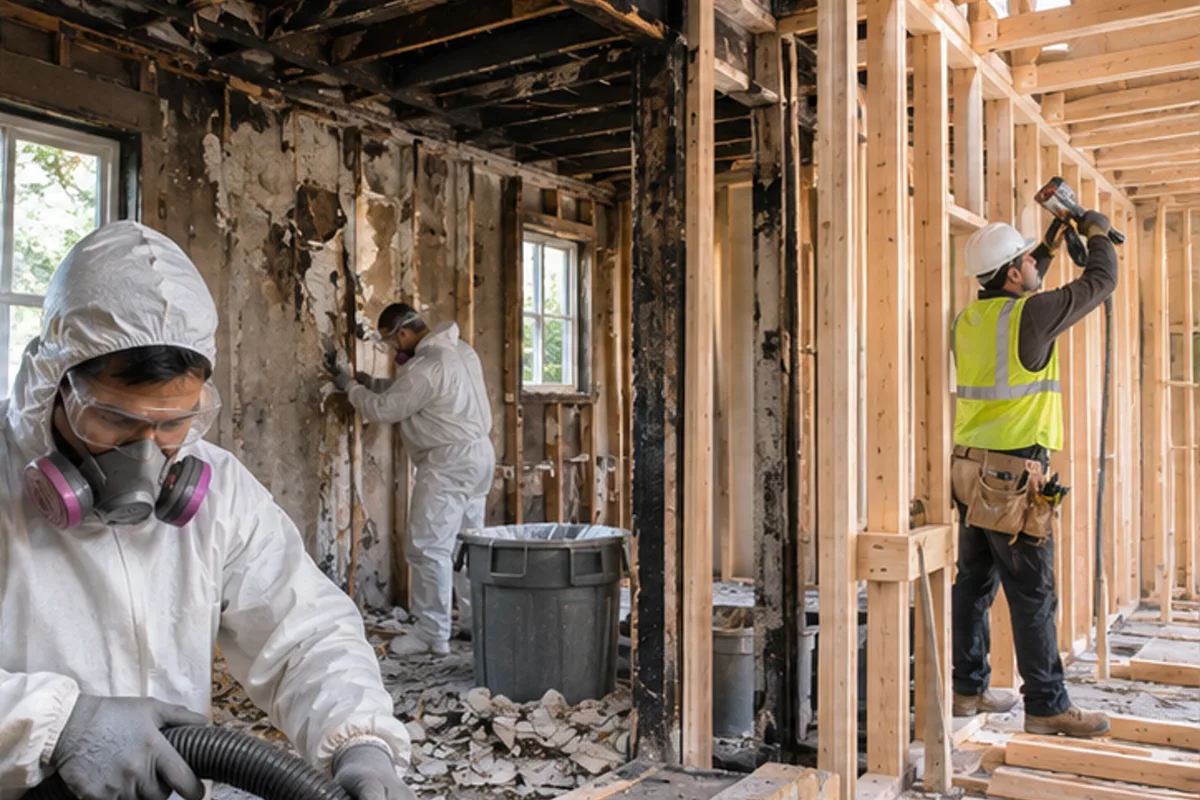
Establish structural and utility safety before demolition or cleaning. Coordinate removal, soot and odor treatment and drying with the investigation findings, then inspect retained assemblies before rebuilding. Restore structure, enclosure and services before finishes, and commission affected building systems before occupancy is considered.
Quality-Control Hold Points
Inspect cleaned/encapsulated surfaces, structural repairs, concealed systems and rated assemblies; commission electrical, HVAC and life safety before occupancy.
Cost Drivers And Allowances
Drivers include structural extent, cleaning boundary, complete-system replacement, code upgrades, finish matching and temporary protection.
Schedule And Procurement
Investigation and engineering control early duration; utility release, permits, long-lead equipment and inspections control rebuild completion.