
Condition Record
Dates, photographs, affected rooms, emergency actions and available specialist reports.
Property Recovery
A major loss needs a construction plan that can be scheduled and built—not a collection of disconnected room allowances. Start with stabilization, investigation, design and a master scope.

Damage Pattern
Structural work, envelope, plumbing, electrical, HVAC, insulation, drywall, cabinets, flooring, paint and exterior improvements should carry quantities, assumptions and responsibility boundaries.
Reconstruction Sequence
The owner, carrier, design team and contractor may use different documents. A disciplined rebuild process reconciles them before procurement and records changes as hidden conditions are opened.
Documentation Package
Dates, photographs, affected rooms, emergency actions and available specialist reports.
Quantities, material descriptions, access, detach and reset, protection and disposal.
Engineering, drying or remediation records, product requirements and permit comments.
Hidden conditions, revised quantities, owner selections and schedule effects documented before work proceeds.
From Damage To A Buildable Scope
The insurance carrier interprets the policy. The contractor documents construction conditions, quantities, methods and cost.
After the site is safe, emergency work and required investigation are complete, and the parties understand the authorized scope and payment responsibilities.
They are photographed, measured and documented with the resulting scope, price and schedule change before affected reconstruction continues.
Yes, when the owner approves the added scope and cost and the contract distinguishes it from restoration work.
Licensed · Bonded · $5M Insured
Bring plans, a property address, or simply an idea. We’ll help you understand the next step.
Professional protection for residential and commercial work. No finished plans required.Technical Execution Guide
A major loss needs a single construction sequence across investigation, design, carrier scope, owner choices and permits.
Reconcile reports, drawings, measured quantities, exclusions, code items and owner-paid improvements.
Complete engineering, permit documents, selections and written responsibility/payment boundaries.
Release long-lead items and sequence demolition, structure, enclosure, MEP and interiors.
Document concealed conditions and obtain decisions before affected work proceeds.
Commission systems, close permits, complete punch and deliver warranties and project records.
Detailed Field Guide
A major rebuild needs a construction plan that reconciles investigations, design, carrier scope, owner choices, permits and all building trades.
Start With Existing Conditions
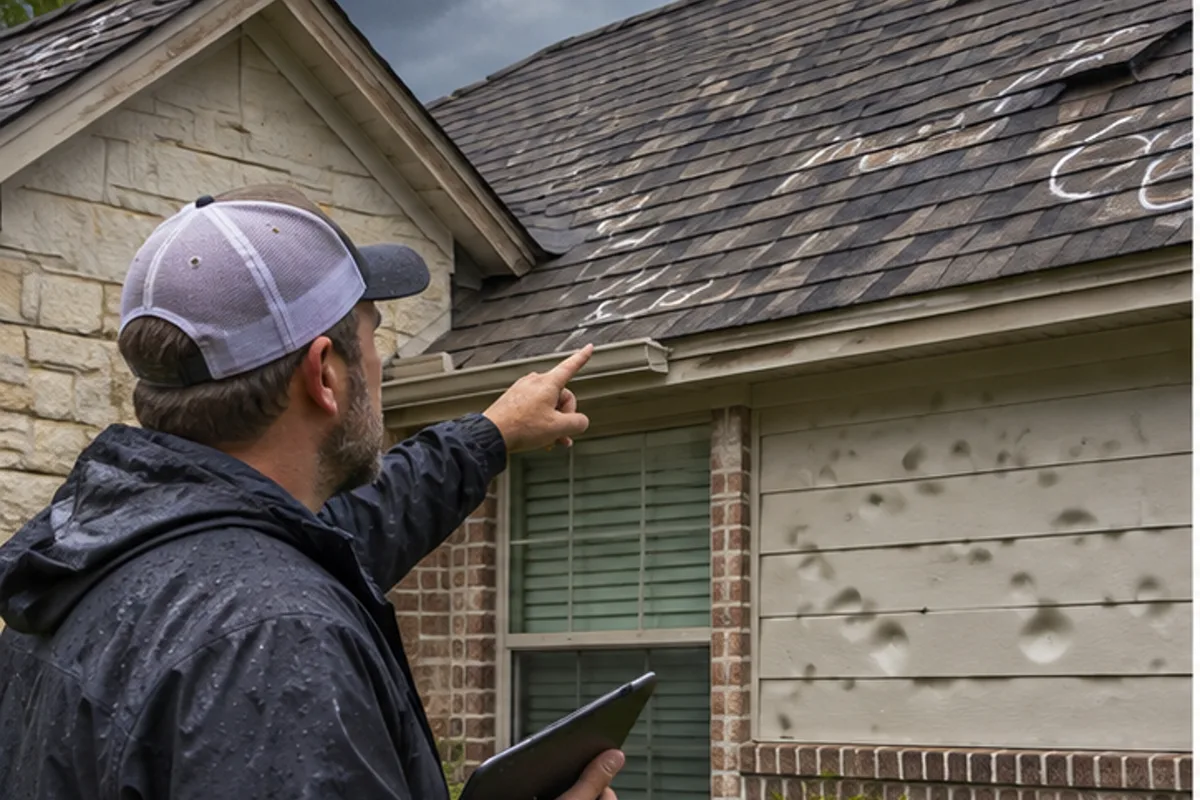
Inventory structural, enclosure, MEP, finish, site and contents interfaces. Compare reports, estimates and drawings for omissions and conflicting assumptions.
Define The Complete Assembly
Define stabilization, demolition, design/engineering, structure, enclosure, systems, finishes, site and owner upgrades with quantities and responsibility boundaries.
Coordinate The Adjacent Trades
Coordinate owner, carrier, adjuster, design professionals, consultants, lender and trades through one scope log, decision record and change process.

Sequence The Work
Reconcile investigation findings, design and authorized scope before releasing demolition and reconstruction packages. Record discoveries and obtain decisions before affected work proceeds. Restore structural and weather protection first, then concealed systems and finishes, with inspections, commissioning and owner-paid improvements tracked separately through final closeout.
Quality-Control Hold Points
Use phase inspections, testing, photographs and concealed-work records; commission building systems and close permit/authority items before turnover.
Cost Drivers And Allowances
Drivers include scope gaps, code upgrades, design changes, escalation, temporary protection, long-lead systems and owner-paid improvements.
Schedule And Procurement
Build a critical path for investigation, authorization, design, permit, procurement, construction, commissioning and closeout—not a single completion guess.