
Condition Record
Dates, photographs, affected rooms, emergency actions and available specialist reports.
Property Recovery
Water projects fail when finishes return before assemblies are dry or the original source is solved. The rebuild sequence begins with source control, documented drying and a defined demolition boundary.
Damage Pattern
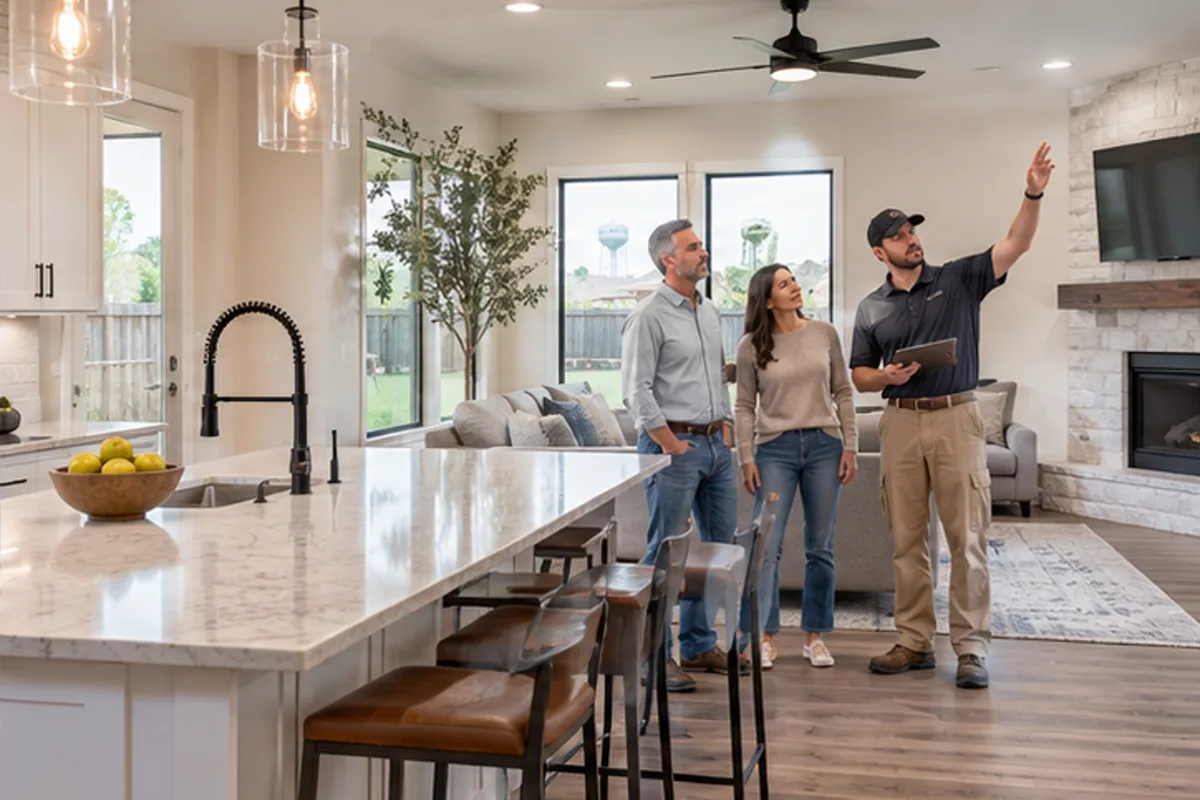
Plumbing leaks, roof entry, appliance failures and storm water affect different materials and may require different specialists. Cabinets, insulation, drywall, subfloor, flooring and concealed cavities should be evaluated by condition rather than by the visible stain alone.
Reconstruction Sequence
Before close-up, coordinate moisture verification, plumbing or envelope correction, electrical inspection where affected, insulation replacement, substrate preparation and finish matching.
Documentation Package
Dates, photographs, affected rooms, emergency actions and available specialist reports.
Quantities, material descriptions, access, detach and reset, protection and disposal.
Engineering, drying or remediation records, product requirements and permit comments.
Hidden conditions, revised quantities, owner selections and schedule effects documented before work proceeds.
From Damage To A Buildable Scope
The insurance carrier interprets the policy. The contractor documents construction conditions, quantities, methods and cost.
After the site is safe, emergency work and required investigation are complete, and the parties understand the authorized scope and payment responsibilities.
They are photographed, measured and documented with the resulting scope, price and schedule change before affected reconstruction continues.
Yes, when the owner approves the added scope and cost and the contract distinguishes it from restoration work.
Licensed · Bonded · $5M Insured
Bring plans, a property address, or simply an idea. We’ll help you understand the next step.
Professional protection for residential and commercial work. No finished plans required.Technical Execution Guide
Reconstruction begins only after the source, affected assemblies and drying criteria are understood.
Control the source, protect power and occupants, extract standing water and prevent additional migration.
Document moisture, open affected assemblies deliberately and separate salvageable from non-salvageable materials.
Use an equipment and monitoring plan; confirm target moisture before insulation, cabinets or drywall return.
Correct the source, inspect concealed systems, rebuild substrates and sequence finishes for reliable matching.
Document completed scope, testing, finish acceptance and maintenance or monitoring needs.
Detailed Field Guide
Water reconstruction should not begin with finishes. It begins by stopping the source, defining affected assemblies, drying to project criteria and correcting the condition that allowed damage.
Start With Existing Conditions
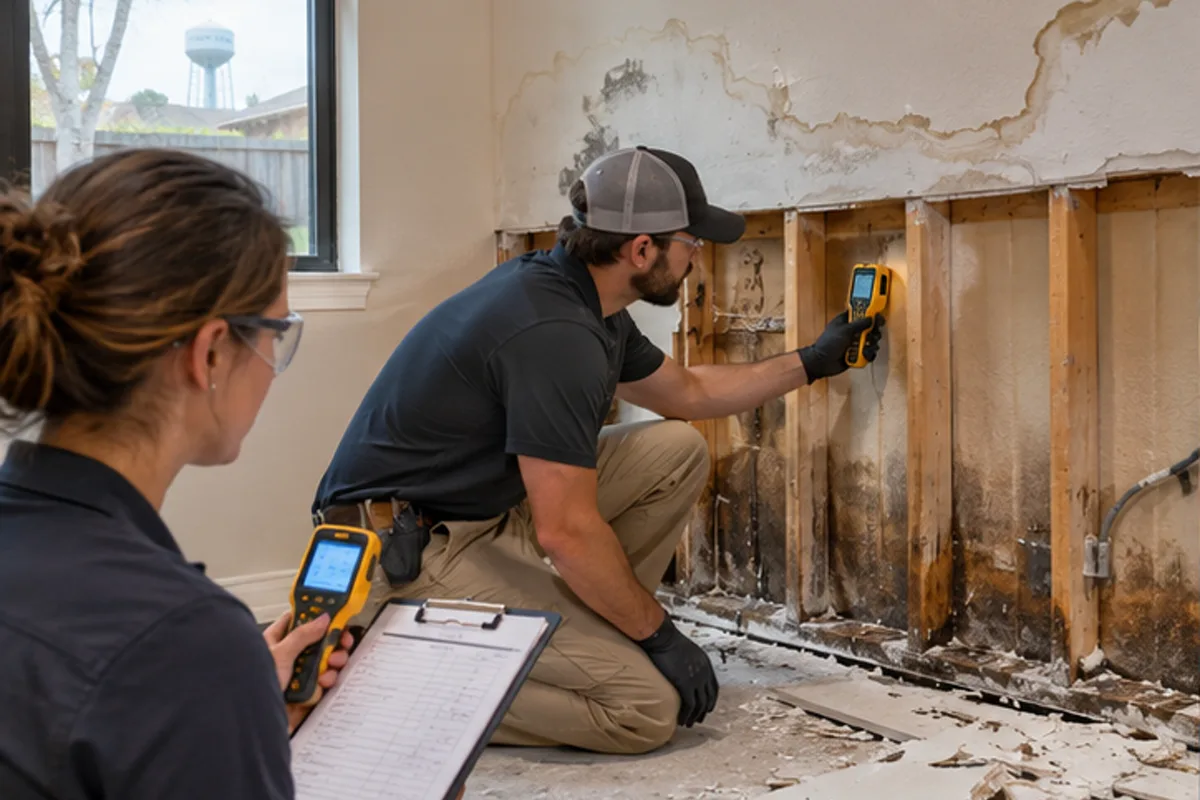
Map the source, migration, materials, cavities, electrical exposure and microbial concerns. Use moisture measurements and selective opening rather than visible staining alone.
Define The Complete Assembly
Define emergency protection, demolition boundary, drying, plumbing/envelope correction, framing/substrate, insulation, drywall, cabinets, flooring and finishes.
Coordinate The Adjacent Trades
Coordinate mitigation/remediation records, plumber or roofer, electrician, HVAC, hygienist where appropriate, designer and insurer/owner scope boundaries.
Sequence The Work
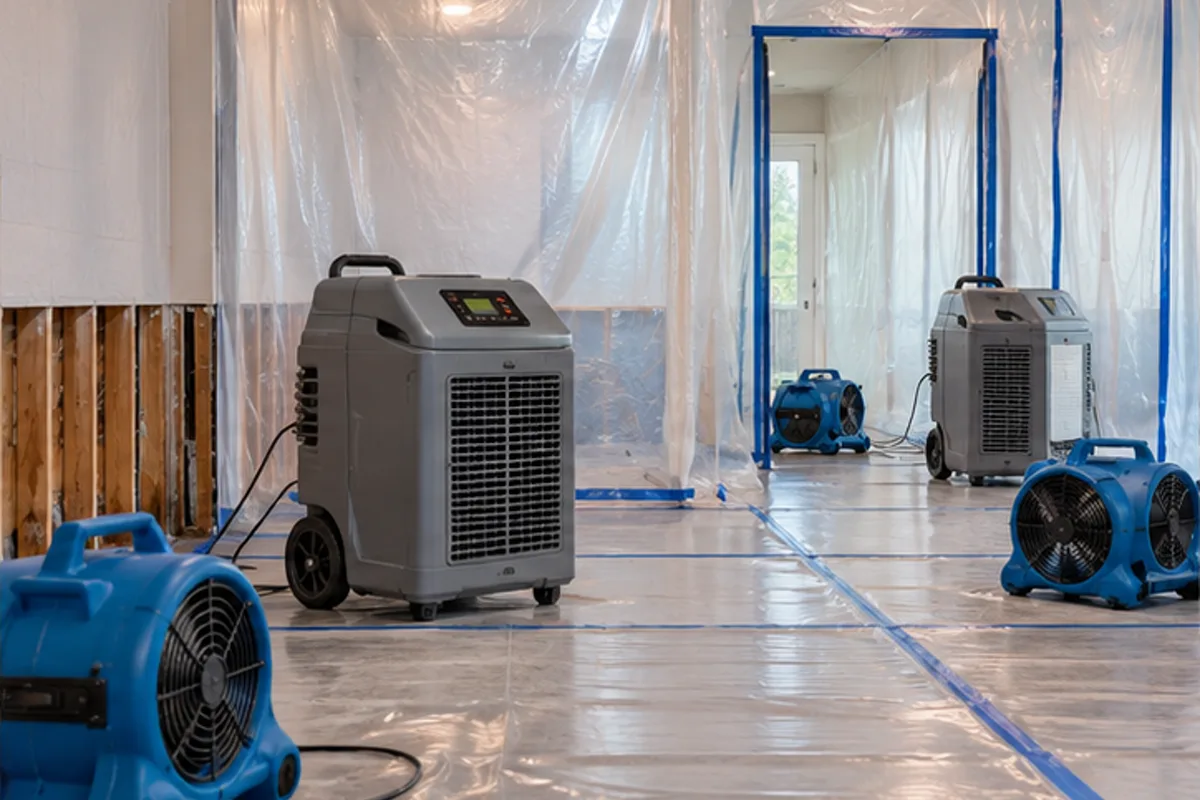
Stop the source and establish the affected boundary before selective removal. Document drying and complete the agreed moisture verification before replacing insulation or finishes. Correct the original plumbing or enclosure defect, inspect concealed repairs, and rebuild cabinets, walls and flooring in a sequence that protects dry assemblies.
Quality-Control Hold Points
Document baseline and progress, verify dry standard before close-up, inspect source correction and test plumbing/envelope before finish replacement.
Cost Drivers And Allowances
Drivers include hidden spread, material salvageability, cabinets/flooring, access, source repair, matching and code-triggered work.
Schedule And Procurement
Drying and investigation precede design/procurement; long-lead cabinets and finish matching can control reconstruction after authorization.